University of Salento

Since 1955, the University of Salento has promoted knowledge, skills and merit, offering a wide range of educational opportunities. It is a community of students, faculty and administrative staff committed to the free promotion of research and teaching as instruments of human development, the affirmation of pluralism and the safeguarding of equal dignity, pursued in complete independence from any ideological, political, religious or economic influence. Within this academic community, no one may be discriminated against because of their choices in study, research or teaching. The University guarantees equal opportunities by recognizing talent and valuing excellence, and it supports both applied and basic research according to the principle of rigorous evaluation. Alongside the two fundamental objectives of education and research, University of Salento also pursues a third mission: the direct application, enhancement and dissemination of knowledge to contribute to the social, cultural and economic development of its territory.

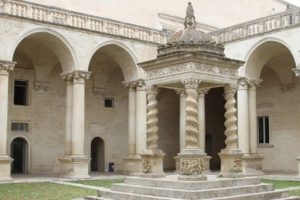
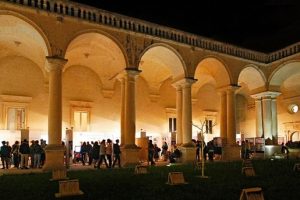
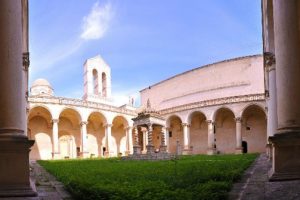
Research
Research projects in cultural psychology at the University of Salento are based on the semiotic approach to cultural dynamics (Semiotic Cultural Psychology Theory, SCPT) and aim to investigate psychosocial phenomena as processes of culturally and affectively channeled sensemaking.
SCPT is rooted in a processual perspective that conceptualizes psychological and social phenomena as emergent from dynamic fields of sensemaking. Within this framework, intrapsychic, relational and cultural dynamics are understood as intertwined. More specifically, the cultural milieu in which individuals are immersed shapes forms of thinkability. At the same time, personal differences provide the dynamism by which social meanings undergo profound changes over time and this dynamic is recursive and continuous. Individuals and social groups make choices and act based on their interpretations of the social world. These interpretations are subject to limitations imposed by the active cultural meanings in a society. These cultural meanings, in turn, are organized by more generalized dimensions of affective meaning, which represent a fundamental and primitive way of giving meaning to experience. Thus, the ability to represent the world and oneself within it hinges on the dimensions of meaning that constitute the available semiotic resources.
Within this theoretical framework, various instruments have been developed to map cultural meanings and to indagate the meaning making process:
The VOC (View of Context) will be used to identify cultural meaning systems, the ACASM (Automated Co-occurrence Analysis for Semantic Mapping) will be used to map emerging themes in texts, the ASI (Affective Saturation Index) will be used to estimate affective charge, the DFA (Discourse Flow Analysis) will be used to analyze the dynamics of sensemaking in interactions, and the HOCFUN (Homogenization of Classification Functions Measurement) will be used to measure the salience of emotional arousal in thinking.
These tools have been applied to the study of various phenomena in different areas of psychological research, including healthcare, socio-institutional crises, and the microdynamics of meaning-making processes. This has enabled the development of a methodological framework for designing policies and interventions that address affectivization of public sphere and its critical manifestations. These initiatives seek to mitigate the predominance of profoundly affective cultural significations by advocating for the proliferation of diversified and multifaceted representations. These meanings function as semiotic capital, that is, symbolic resources that support civic engagement, trust, and reflective forms of social action. A further development of this approach is the formulation of a computational model of psychopathology based on the dimensionality of sensemaking.
How to get involved?
University of Salento’s Students: At the University of Salento, students in Psychology pursue their studies within the Department of Human and Social Sciences, which provides both Bachelor and Master level programs. The Bachelor provides students with foundational knowledge across the main psychological areas and research methods, together with essential technical skills that prepare them for further academic or professional training. The Master builds on these foundations and is oriented toward advanced theoretical learning and psycho-social methodological competences, enabling students to design and implement interventions in social and community settings. In this way, University of Salento students are progressively introduced to both the scientific bases and the applied dimensions of psychology. Furthermore, students have the option of collaborating with their respective supervisors to undertake research projects that form the basis of their degree theses.
Other students: At the international level, the University of Salento pursues all forms of collaboration aimed at promoting mutual knowledge, cultural enrichment and the exchange of students and staff. International students are welcome to join University of Salento’s teaching and research activities whenever there is a clear thematic fit. At the Department of Human and Social Sciences, opportunities include the bachelor’s degree, the master’s degree and the PhD. Applications for the PhD are open to international candidates through the annual public call. Mobility and cooperation are strongly supported through Erasmus+ and multiple agreements, enabling visiting periods, research stays and semester-long study paths.
PhD students: Psychology is included in the PhD Program in Human and Social Sciences. This PhD features a curriculum in Psychological and Pedagogical Sciences, which emphasizes advanced research in cultural, social, and community psychology, as well as educational and developmental perspectives. The program is open to international candidates through the annual public call, with online interviews, dedicated handbooks, and support from the International Welcome Office. Research activities are often carried out within national and international projects and networks coordinated by UniSalento.
Scientist: The University of Salento facilitates cooperation and staff exchanges, enabling staff from partner universities to come to UniSalento for teaching or training activities, while UniSalento staff can undertake mobility periods abroad at partner institutions.
Conference participation:
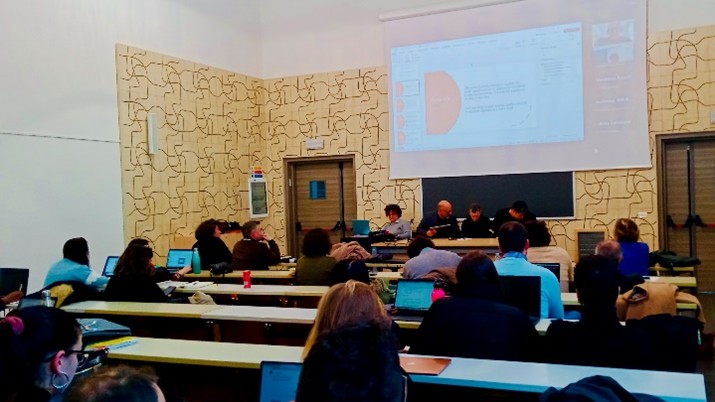
Second edition of the Doctoral Winter School – It includes the workshop ‘Representations of self, others, and society in a changing world’ (February 14-17, 2024). Organised in collaboration with the Department of Human and Social Sciences of the University of Salento, Lecce, and open to PhD students of the same Department.
Representative
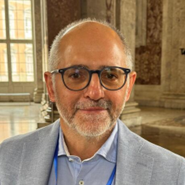
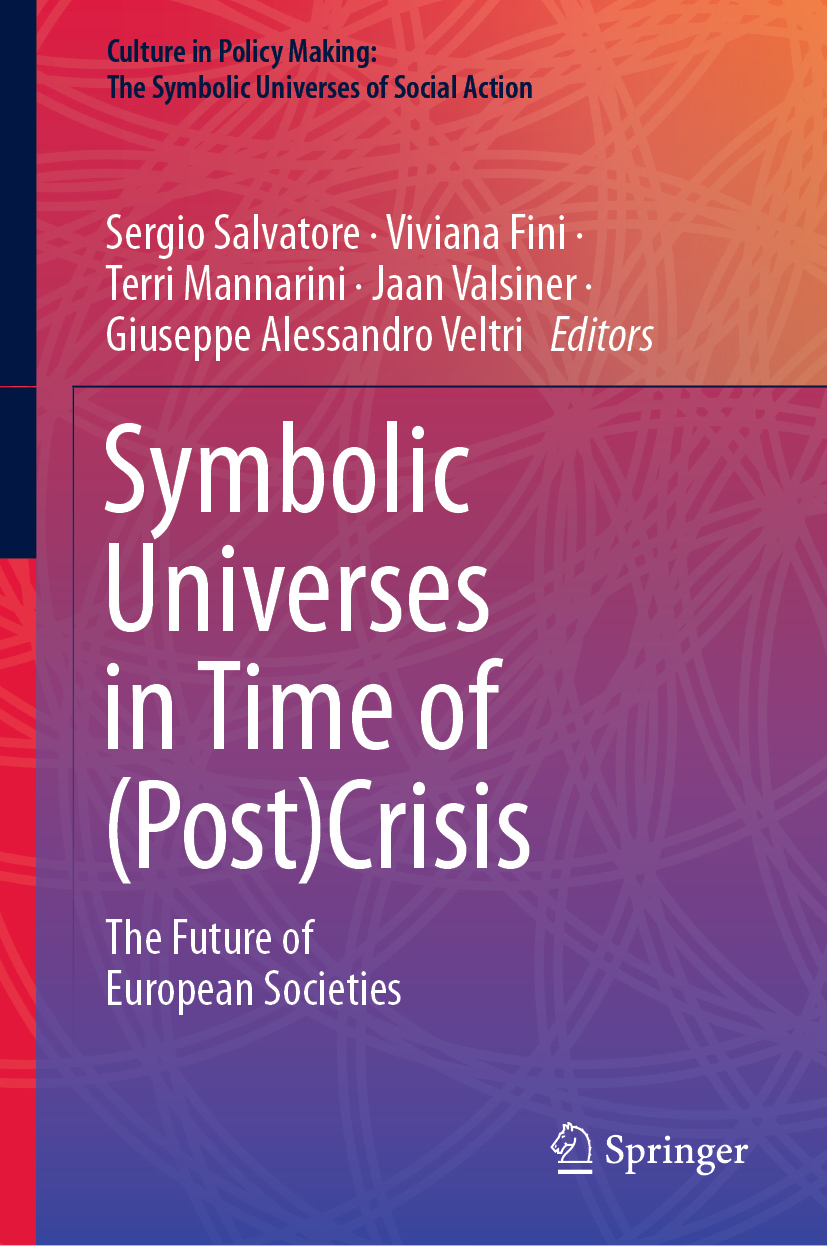
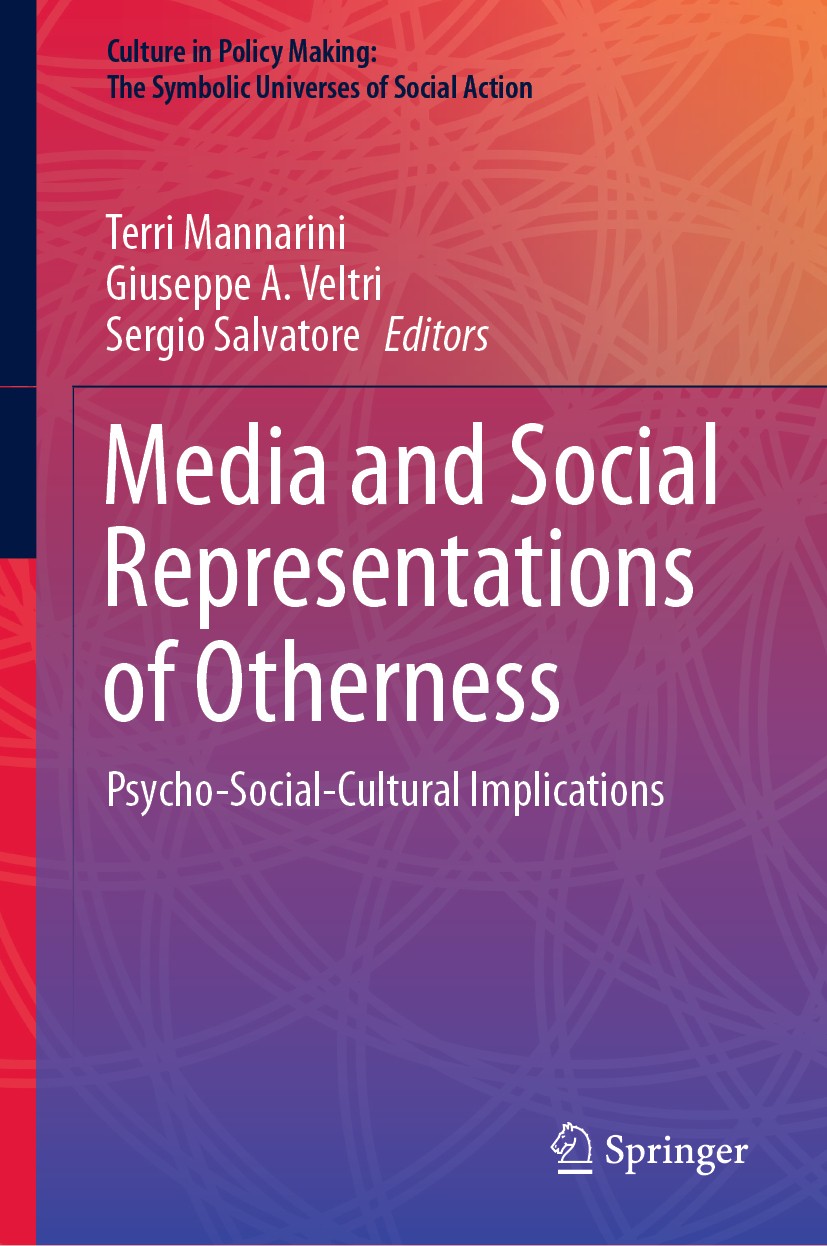
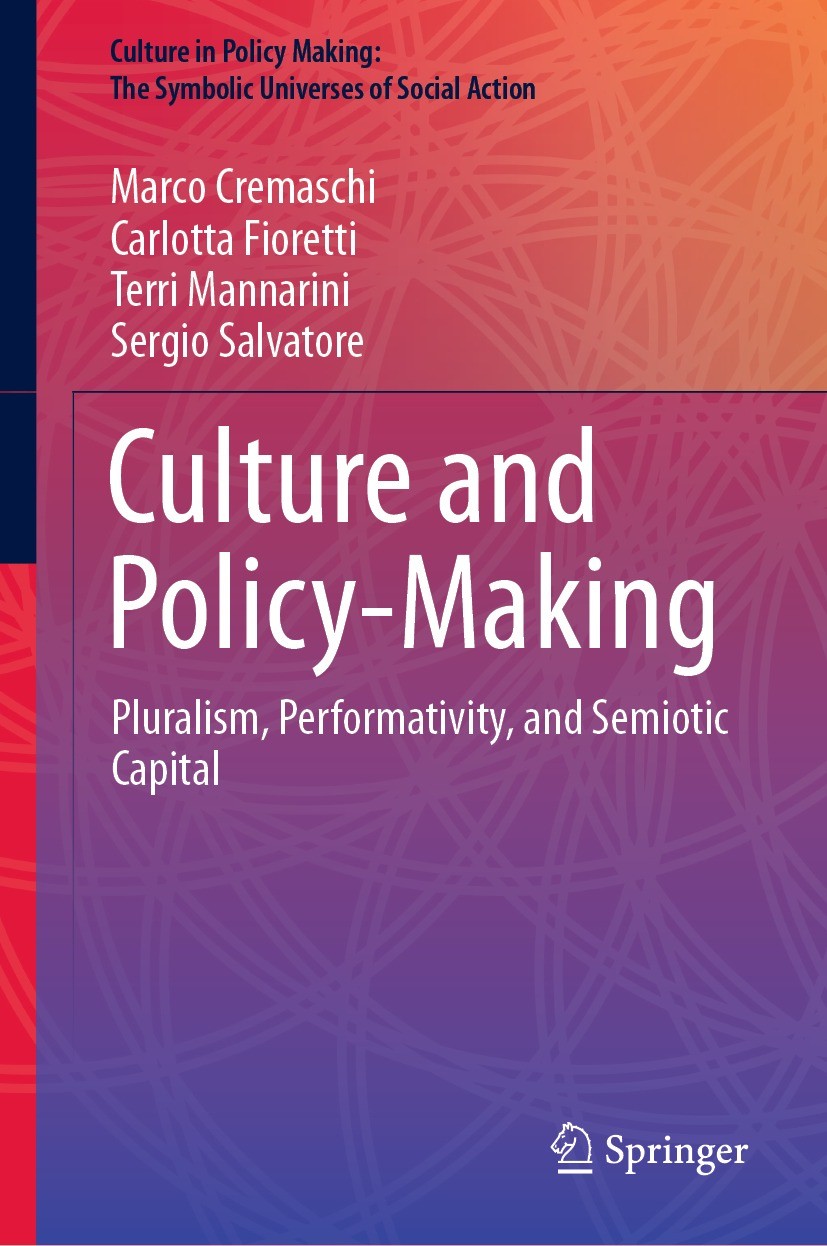
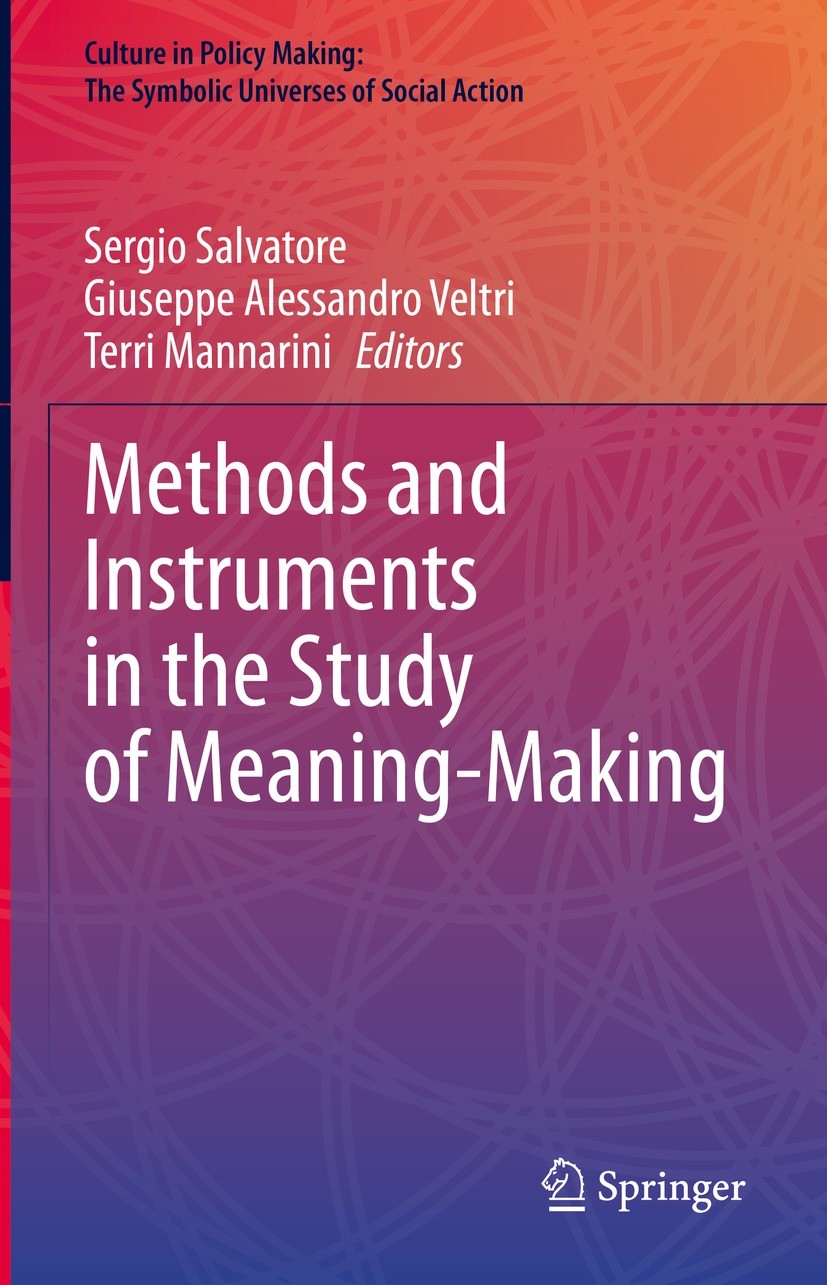
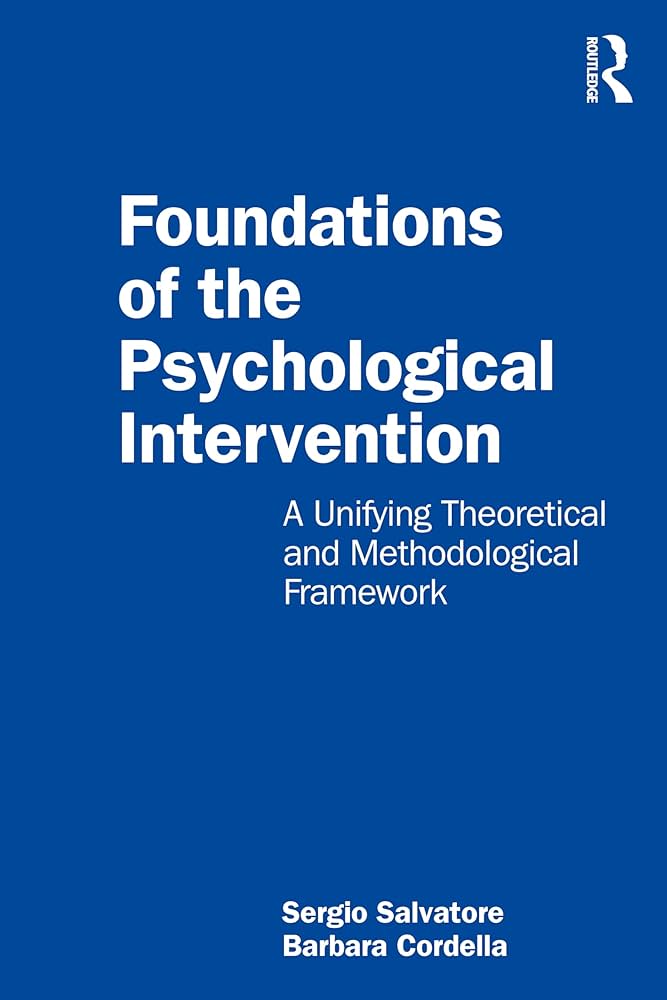
Sergio Salvatore is Professor of Dynamic Psychology at the University of Salento, Department of Human and Social Sciences, and serves as President of the Italian Association of Psychology (AIP). His work is rooted in the psychodynamic and semiotic-cultural study of psychological and social phenomena, with a particular focus on developing methods for analyzing socio-cultural and mental processes and on designing models of psychological intervention. Over the years, he has held editorial responsibilities, including Co-Editor of Integrative Psychological and Behavioral Science and Series Editor of the Springer series “Culture in Policy Making: The Symbolic Universes of Social Action”. He was also the Principal Investigator (Scientific Coordinator) of the EU Horizon 2020 project Re.Cri.Re. (Grant Agreement 649436; 2015–2018). Hi is author of more than 300 scientific publications.
Books/book chapters (selection):
Articles and paper presentations (selection):
- Reho, M., Veneziani, G., Ciacchella, C., Gennaro, A., Salvatore, S., & Lai, C. (2024). The influence of cultural worldviews on the association between wildfire risk perception and preventive behaviors. Psychology Hub, 41(2). https://doi.org/10.13133/2724-2943/18435
- Andreassi, S., Signore, F., Cordella, B., De Dominicis, S., Gennaro, G., Iuso, Kerusauskaite, S., Mannarini, T., Kosic, A., Reho, M., Rochira, A., Rocchi, G., Scharfbillig, M., & Salvatore, S. (2023). Identity and Symbolic Universes in Voting Behavior. A study of the Italian society. Psychology Hub, 40(2), 69-80. DOI: 10.13133/2724-2943/17900
- Cordella, B., Signore, F., Andreassi, S., De Dominicis, S., Gennaro, G., Iuso, S., Mannarini, T., Kerusauskaite, S., Kosic, A., Reho, M., Rochira, A., Rocchi, G., & Salvatore, S. (2023). How socio-institutional contexts and cultural worldviews relate to COVID-19 acceptance rates: A representative study in Italy. Social Science & Medicine. DOI: 10.1016/j.socscimed.2023.115671
- Kosic, A., Andreassi, S., Cordella, B., De Dominicis, S., Gennaro, A., Iuso, S., … & Salvatore, S. (2023). Perceiving Migrants as a Threat: The Role of the Estimated Number of Migrants and Symbolic Universes. Genealogy, 7(4), 99. https://doi.org/10.3390/genealogy7040099
- Gennaro, A., Carola, V., Ottaviani, C., Pesca, C., Palmieri, A., & Salvatore, S. (2021). Affective Saturation Index: A Lexical Measure of Affect. Entropy, 23, 1421. Doi: 10.3390/e23111421