Tbilisi State University
Founded on February 8, 1918, Ivane Javakhishvili Tbilisi State University (TSU) is the oldest university in Georgia and the entire South Caucasus, marking a milestone in the region’s cultural and intellectual history. Established by the visionary historian Ivane Javakhishvili and a group of Georgian scholars returning from European universities, TSU embodied the nation’s aspiration for academic independence and modernization after centuries of foreign domination. Its first rector, Petre Melikishvili, led an institution that initially opened with a single Faculty of Philosophy, yet quickly became the nucleus of Georgia’s scientific and humanistic scholarship. Throughout the 20th century, particularly during the Soviet era, the university served as a guardian of Georgian language, culture, and identity, nurturing generations of thinkers, scientists, and writers who profoundly influenced national and regional development. In 1989, it was named after its founder, honoring his enduring intellectual legacy. Today, with over 22,000 students across seven faculties, TSU stands as a comprehensive public research university offering programs in the humanities, natural and social sciences, law, and business. It continues to play a vital role as a hub of academic excellence, civic engagement, and democratic values, actively integrating into European educational frameworks and fostering international collaboration. Beyond its academic mission, Tbilisi State University remains a powerful symbol of Georgia’s commitment to knowledge, progress, and cultural continuity, maintaining its status as the leading higher education institution in the Caucasus.

Research at TSU
Research at Ivane Javakhishvili Tbilisi State University (TSU) reflects the institution’s long-standing commitment to exploring the intersections of culture, psychology, and identity. Within the Faculty of Psychology and Educational Sciences, scholars engage deeply with questions of how meaning, identity, and selfhood emerge through cultural experience and transformation. Drawing from cultural psychology, psychological anthropology, and hermeneutics, TSU researchers study the ways individuals and communities interpret their cultural worlds, construct personal and collective identities, and negotiate the symbolic boundaries between “self” and “other.” These inquiries are rooted in the Georgian intellectual tradition of understanding culture as a living, meaning-making system — a perspective that links psychological processes with historical, linguistic, and philosophical interpretation.
Over the past two decades, TSU has become a regional center for identity and self-construction studies, examining how people define who they are in relation to shifting social and cultural realities. Scholars such as Vladimer Gamsakhurdia and others have contributed to the development of psychological anthropology in Georgia, analyzing how national, ethnic, and religious identities evolve within post-Soviet and global contexts. Using narrative and hermeneutic methods, researchers investigate how personal stories and collective myths shape the Georgian sense of belonging, continuity, and transformation. Parallel work in semiotics and cultural hermeneutics examines how meanings are produced and reinterpreted through language, ritual, and historical discourse, linking personal identity to wider cultural symbols and shared imaginaries.
A distinctive contribution of TSU’s contemporary research is the advancement of the concept of proculturation — the dynamic process through which individuals reconstruct the self in conditions of migration and intercultural contact. Building on theoretical work emerging from TSU’s doctoral program in Cultural Personology and Migration Studies, scholars explore how migrants blend elements of native and host cultures into new, hybrid identities. This process is seen not as mere adaptation or assimilation, but as a creative reorganization of the self — a dialogue between familiar and foreign cultural voices. Through this lens, immigration becomes a profoundly hermeneutic act of meaning-making, revealing how cultural psychology can illuminate the human capacity to reinterpret one’s identity amid global mobility. In this way, TSU continues to stand at the forefront of psychological research in the Caucasus, offering both local and international insight into the evolving relationship between culture, mind, and selfhood.
Working with students
The PhD Program in Cultural Personology, Psychological Anthropology, and Migration Studies at Ivane Javakhishvili Tbilisi State University (TSU) offers an exceptional opportunity for advanced interdisciplinary research on the relationship between culture, mind, and identity. Designed for scholars interested in how individuals and societies co-construct meaning across cultural contexts, the program draws upon cultural psychology, psychological anthropology, philosophy, semiotics, hermeneutics, and migration studies. It provides a dynamic framework for investigating how cultures and individuals interact, transform, and create new symbolic worlds in conditions of globalization, mobility, and intercultural contact.
A key strength of the program lies in its interdisciplinary openness. Doctoral students are encouraged to integrate theories and methods from multiple academic traditions, exploring phenomena such as identity development, self-construction, intercultural communication, migration, and proculturation — the creative fusion of familiar and foreign cultural meanings. This flexible structure allows for research that bridges psychology, anthropology, education, linguistics, and philosophy, offering an academically rich and conceptually diverse environment for understanding the human condition in its cultural complexity.
The program is international in character, conducted entirely in English, and guided by a board of internationally recognized professors and scholars. It maintains strong academic partnerships with universities and research centers abroad, promoting joint supervision, international conferences, and visiting researcher opportunities. Importantly, the program also provides the possibility to study without residing in Tbilisi, accommodating international and remote doctoral candidates through hybrid and distance-learning formats. This flexibility enables participation from scholars around the world, ensuring that TSU’s PhD program continues to serve as a global hub for research in cultural psychology, psychological anthropology, and migration studies, uniting academic excellence with accessibility and intercultural dialogue.
Representative
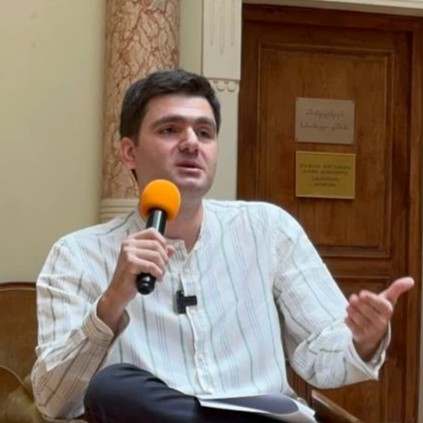
Vladimer (Lado) Gamsakhurdia is a Georgian cultural psychologist, psychological anthropologist, and hermeneutic scholar, widely recognized for his interdisciplinary research on culture, identity, and self-construction. He is a professor at Ivane Javakhishvili Tbilisi State University (TSU), where he leads academic programs that bridge cultural psychology, psychological anthropology, semiotics, and migration studies. His work explores how individuals interpret and reconstruct their sense of self within the dynamic interplay of cultural meanings, traditions, and global transformations.
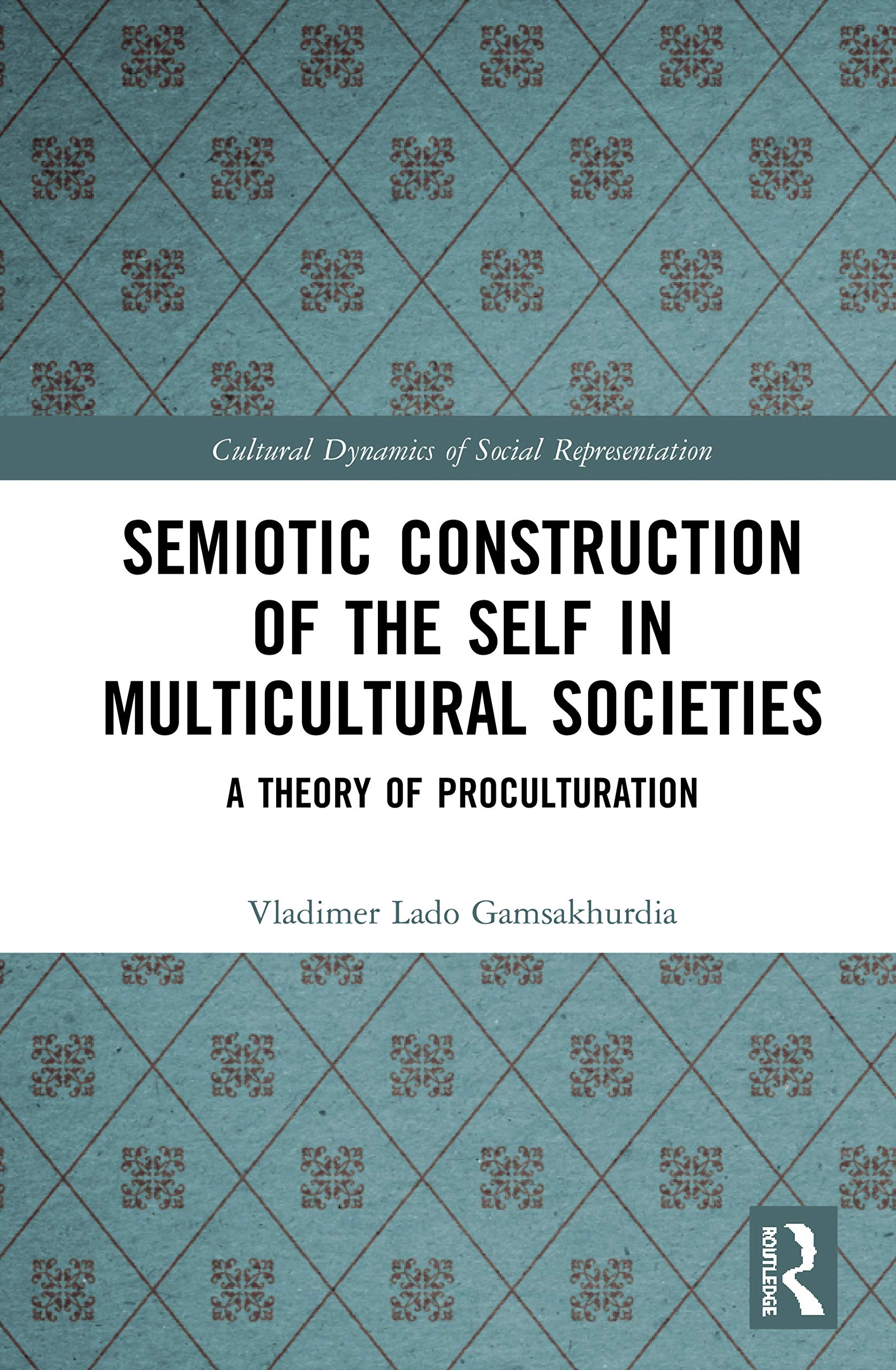
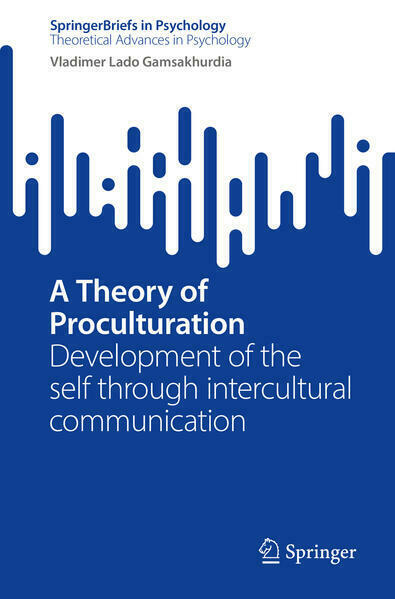
Gamsakhurdia is best known for developing the theory of proculturation — a pioneering concept describing how individuals creatively rebuild their identities through the fusion of native and foreign cultural meanings, and was named among the most significant innovations in 25 years by Jaan Valsiner (https://journals.sagepub.com/doi/10.1177/1354067X19872358). Moving beyond classical acculturation theories, proculturation highlights dialogue, meaning-making, and self-renewal as core mechanisms of intercultural development. He is the author of two influential monographs: Semiotic Construction of the Self in Multicultural Societies: Theory of Proculturation (Routledge, 2020) and Theory of Proculturation (Springer, 2022), alongside numerous scholarly articles and book chapters that have shaped current discussions in cultural psychology, psychological anthropology, and identity theory.
He has also studied the sociocultural genesis of Georgian identity from the 19th century to contemporary times.
Throughout his career, Gamsakhurdia has served as a visiting scholar at several leading universities, including the University of Chicago, Free University of Berlin, University of Luxembourg, University of Salerno, University of the Basque Country, Constructor University Bremen, Aalborg University, Sigmund Freud University Berlin, University of Seville, and the Federal University of Bahia. His extensive international experience has profoundly influenced his comparative and hermeneutic perspective on the self in cultural and migratory contexts.
Vladimer Lado Gamsakhurdia was awarded the Dimitri Uznadze national prize by Shota Rustaveli National Science Foundation (Georgia) in 2019, 2021, and 2022.
He is also an Associate Editor of the Springer journals Trends in Psychology and Integrative Psychological and Behavioral Sciences, contributing to the advancement of interdisciplinary dialogue in contemporary psychology. Deeply committed to intercultural and transdisciplinary scholarship, Lado Gamsakhurdia continues to promote a human-centered vision of psychology, viewing the self as an evolving, interpretive dialogue between culture, history, and personal meaning.
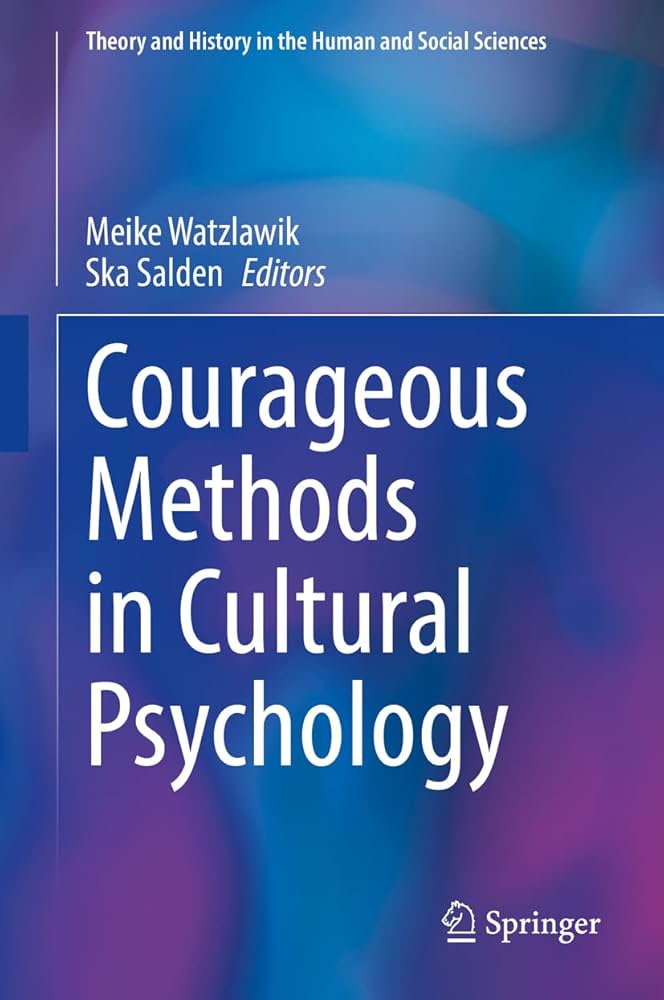
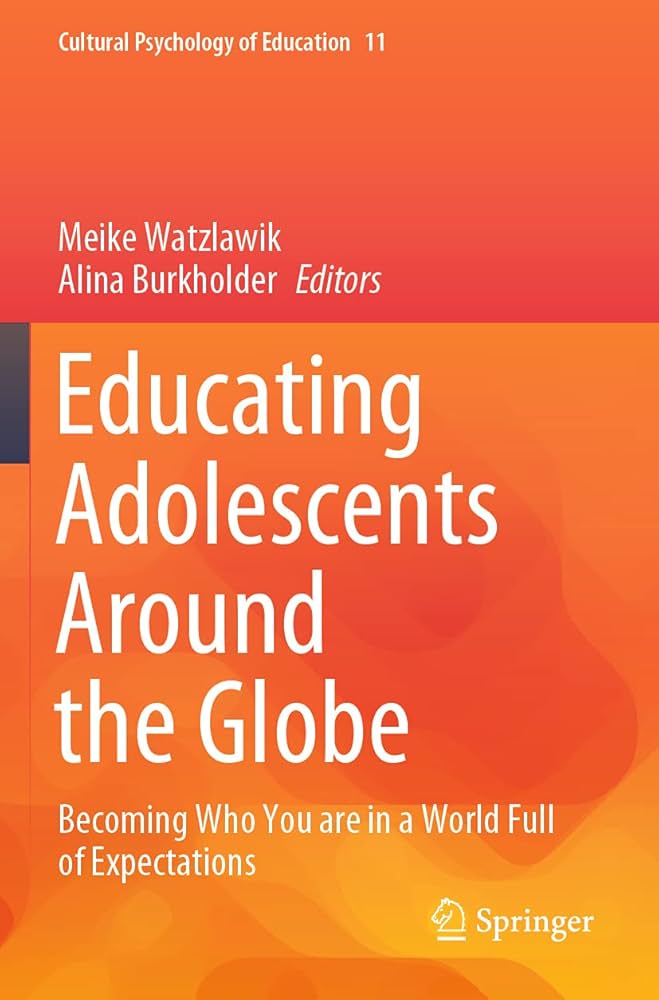
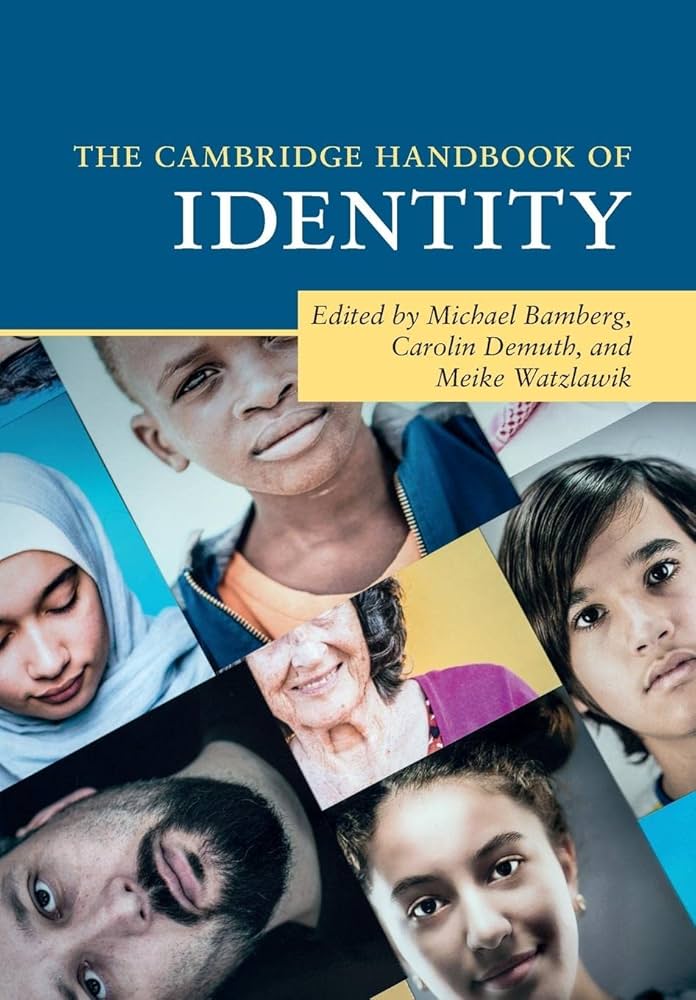
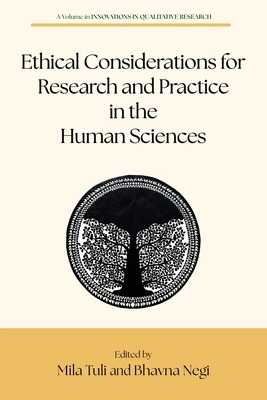
Books/book chapters (selection):
Articles and paper presentations (selection):
- Gamsakhurdia, V. (2018). Adaptation in a dialogical perspective—From acculturation to proculturation. Culture & Psychology, 24(4), 545-559. https://doi.org/10.1177/1354067X18791977 (Original work published 2018)
- Lado Gamsakhurdia, V. (2019). Proculturation: Self-reconstruction by making “fusion cocktails” of alien and familiar meanings. Culture & Psychology, 25(2), 161-177. https://doi.org/10.1177/1354067X19829020 (Original work published 2019)
- Gamsakhurdia, V.L. The Origins and Perspectives of ‘Culture’—Is it Relevant Anymore?. Hu Arenas 3, 475–491 (2020). https://doi.org/10.1007/s42087-020-00107-9
- Gamsakhurdia, V.L. “Constructive Urge for Self-Presentation-Mediating between the Past and the Future”. Integr. psych. behav. 53, 238–257 (2019). https://doi.org/10.1007/s12124-018-9466-2
- Gamsakhurdia, V.L. Making Identity, Proculturation In-between Georgianness and Westernness. Hu Arenas 2, 356–377 (2019). https://doi.org/10.1007/s42087-019-00062-0
- Gamsakhurdia, V. L. (2024). Reconsidering the “Uznadze Effect” and psychology of set (Gantskoba) from a systemic cultural psychological perspective. History of Psychology, 27(2), 139–158. https://doi.org/10.1037/hop0000245
- Gamsakhurdia, V.L. Human Life Course as Constructive Migration. psych. behav. 57, 1140–1149 (2023). https://doi.org/10.1007/s12124-023-09785-w