
Univ.-Prof. Brady Wagoner, Ph.D.
Science Ambassador Copenhagen
The University of Copenhagen was founded in 1479 and is today a world leader in research and education, ranked 30th in the world by Academic Rankings of World Universities. The department of psychology is the largest institution of its kind in Denmark, with a strong commitment to both basic and applied research.
Several researchers in the department study the interaction between the individual, culture and society. This takes the form of exploring:
Besides the BA and MA study there is an informal discussion group called the ’socio-cultural psychology salon’ that meets regularly throughout the semester.
Conference participation:
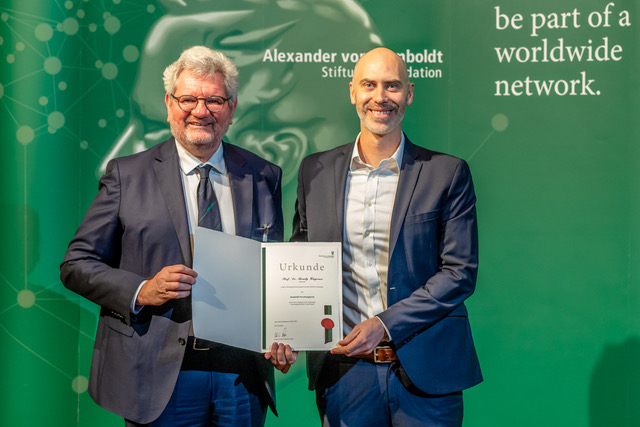
Award ceremony at the Humboldt Foundation’s Berlin office in 2021, which also included a subsequent research stay at Freie Universität Berlin.
The foundation supports scientists regardless of their field of study or nationality. It strengthens Germany as a center of science through international research exchange. It supports grantees throughout their lives and is committed to international understanding, scientific progress, and development.
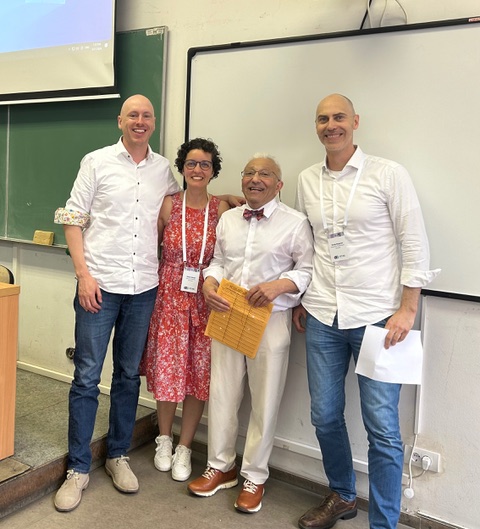
Networking at the 20th Conference of the International Society for Theoretical Psychology (ISTP) in Belgrade, where a paper presentation on conspiracy theories was also given.
The ISTP is an international forum for theoretical, meta-theoretical and philosophical discussions in psychology, with a focus on contemporary psychological debates.
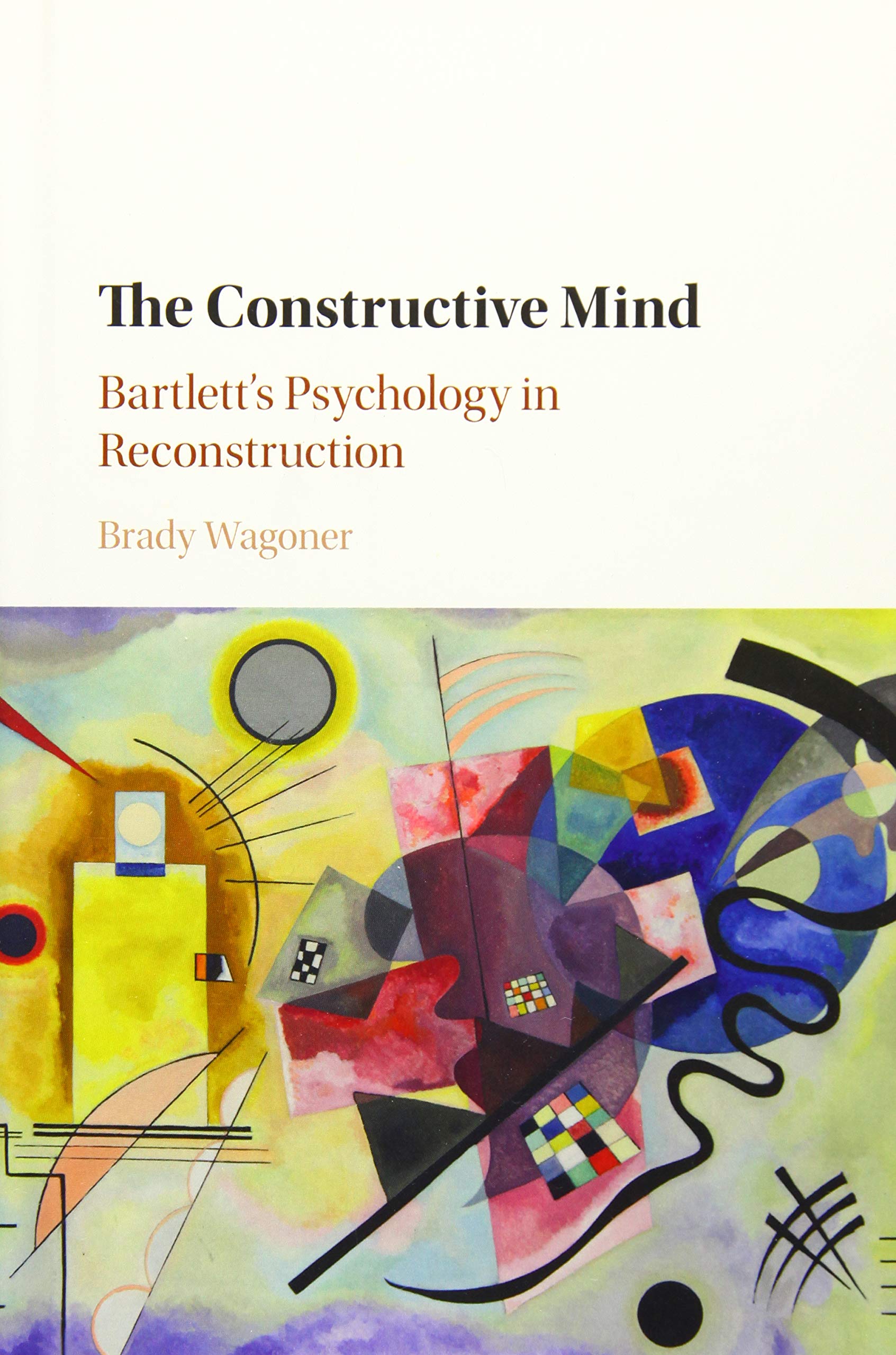
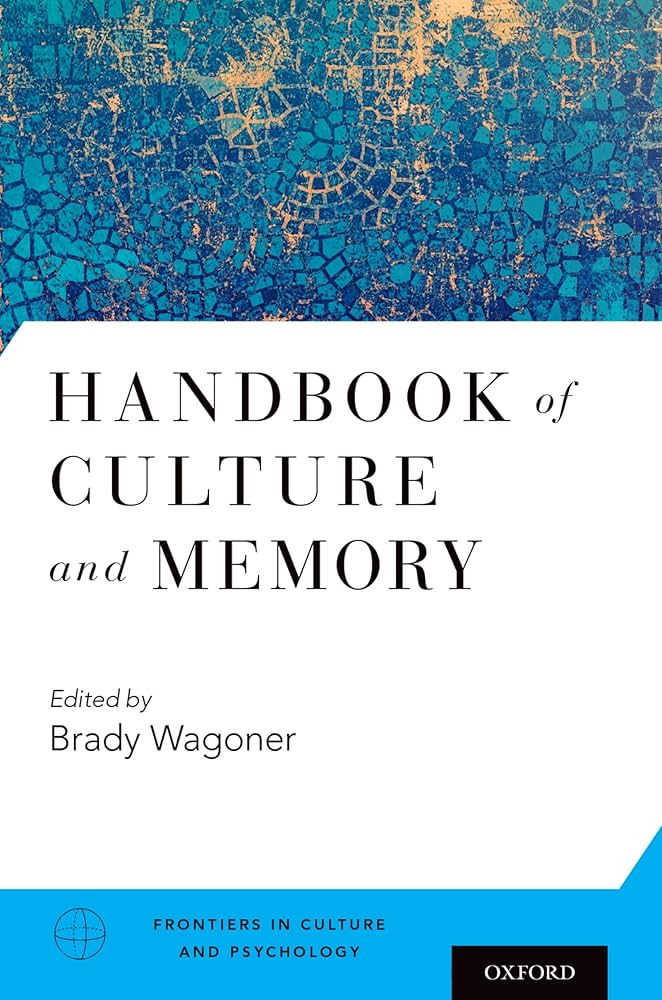
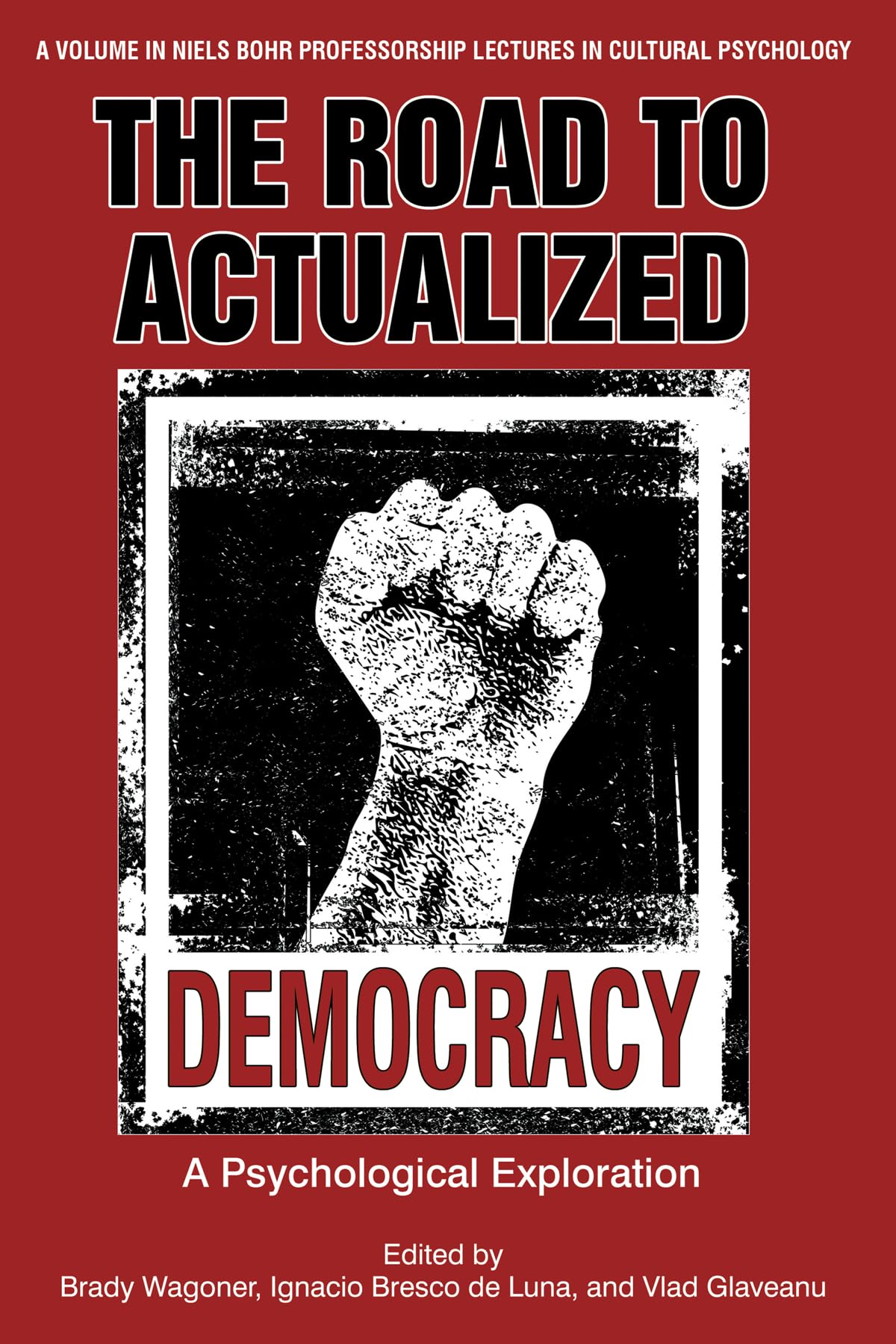
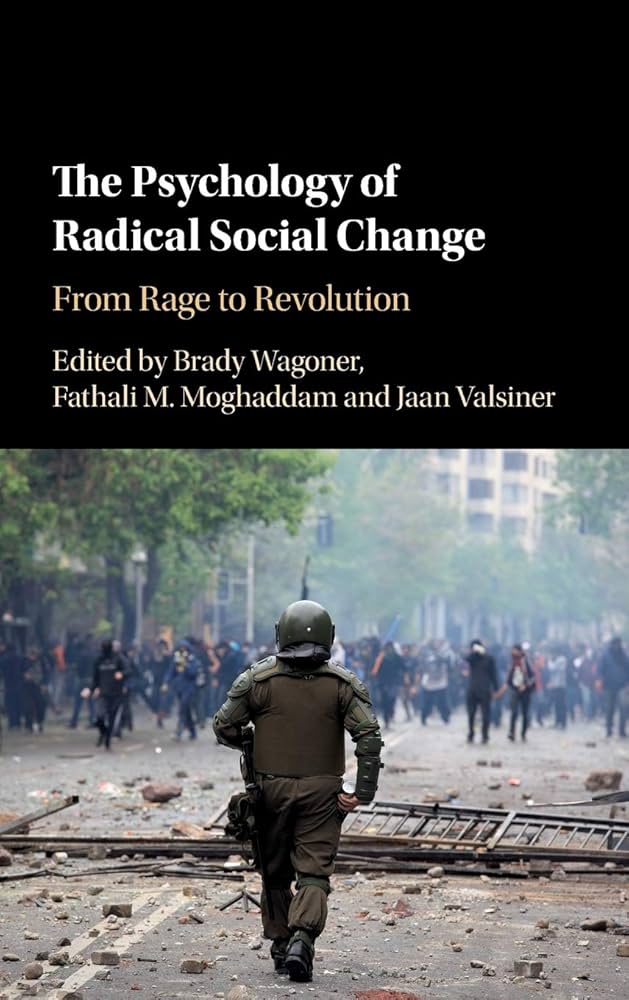
Brady Wagoner is Professor of Psychology at the University of Copenhagen, Aalborg University and Oslo New University College. He received his PhD from the University of Cambridge on a Gates Cambridge Scholarship. His research aims to develop a dynamic cultural psychology, which he has applied to such topics as memory, social change, and the public understanding of science. His books include The Constructive Mind: Bartlett’s Psychology in Reconstruction (Cambridge University Press, 2017), Handbook of Culture and Memory (Oxford University Press, 2018), Remembering as a Cultural Process (Routledge, 2019), among others. In 2021, he received the prestigious Humboldt Award from the Alexander von Humboldt Foundation.
Books/book chapters (selection):
Articles and paper presentations (selection):
We are ambitious about making our research as transparent as possible for everyone to be able to follow the whole process as such – and even use our data for other research projects. Please, take a look at the projects we have already made accessible.
Click learn more to access all the details…
Our ambassadors organize research internships and visits for young and experienced scientists coming from abroad, who are curious about the overlapping specialization within Cultural Psychology. Curious about past exchanges and their individual outcome?
Then click learn more to access all the details…
We combine knowledge, technique, and resources to elaborate common scientific interests across universities within a transdisciplinary approach initiated by specialized research groups. Wondering how they operate and what they are putting an emphasis on?
Then click learn more to access all the details…
Looking for enriching trajectories within the field of Cultural Psychology to further develop your scientific expertise as a researcher and lecturer in academia? We invite you to take a look of the different doctoral and post-doctoral programs we offer within our hub.
Click learn more to access all the details…
Curious about the latest trends and developments concerning research activities, international exchanges, and scientific publications that are going on within our hub? Then check out our quarterly newsletter with a comprehensive overview in regard to these elements of interest.
Click learn more to access all the details…
Welcome to our University!
Asso.-Prof. Raffaele De Luca Picione, Ph.D.
Welcome to our University!
Ass.-Prof. Ignacio Brescó de Luna, Ph.D.
Some hubers had the honor to talk in front of big audiences about their specific subject concerning culture or were videotaped while holding one of their seminars. Curious to get some “live” impressions of their scientific contribution?
Then click learn more to access all the details…
Members and collaborators of our hub are (co-)editing book series within the field of Cultural Psychology or related subjects that provide the opportunity to publish chapters or a book volume within this framework for emerging and established scientists. Wanting to inquire the diverse genres?
Then click more to access all the details…
We have several founders, (co-)editors, and reviewers within our network who publish different journals concerning our field of research – also opening up possibilities of publication for students and scientists among us. Want to learn more about the different formats?
Then click more to access all the details…
Wondering where you can meet us and learn about our approach of Cultural Psychology in its specific roots and different branches in the world of science? We will provide you with all the events going on throughout the year – whether continuous series or big get-togethers.
Click learn more to access all the details…
Asking yourself where you can meet us in person to semiotically elaborate questions and theories about Cultural Psychology and its intertwinings with adjacent fields? We invite you to dive into our wide range of workshops, summer or winter schools, and conferences.
Click learn more to access all the details…
How to participate in our seminars of Cultural Psychology open to the public to get to know the subject and community or present own research projects to get valuable input? Then take a look at our continuous events happening throughout the semester to connect!
Click learn more to access all the details…
We are not only connected to associations and institutions within Europe but all over the world. Want to get to know all the partners who are collaborating with us within our global network of Cultural Psychology?
Then click learn more to access all the details…
Asking yourself what we are actually doing to realize the connecting vision of our hub in all its different facets? We will explain the different pathways of exchanging or developing students as well as scientists, bridging research projects, and publish derived outcomes.
Click learn more to access all the details…
Interested in how we envision semiotic synergies concerning psychological research in culture to happen within our Hub creating progressive meaning making? Then investigate about our elaborations of this dynamic and its catalysis in general!
Click learn more to access all the details…
Welcome to our University!
Cultural psychology research at SFU Berlin is transdisciplinary and thrives on the active participation of students. The cultural and social science orientation of the psychology program is a genuine alternative to the predominantly theoretical natural science orientation at other universities. The emphasis is on cultural perspectives concerning developmental and clinical psychology.
Click learn more to check out our profile...Univ.-Prof. Meike Watzlawik, Ph.D.